Which Accessories Top the Dark Souls 3 Rings Tier List?
Rank Dark Souls 3 rings for PvE by survivability, stamina, equip load, build impact, and access to +3 versions in The Ringed City.
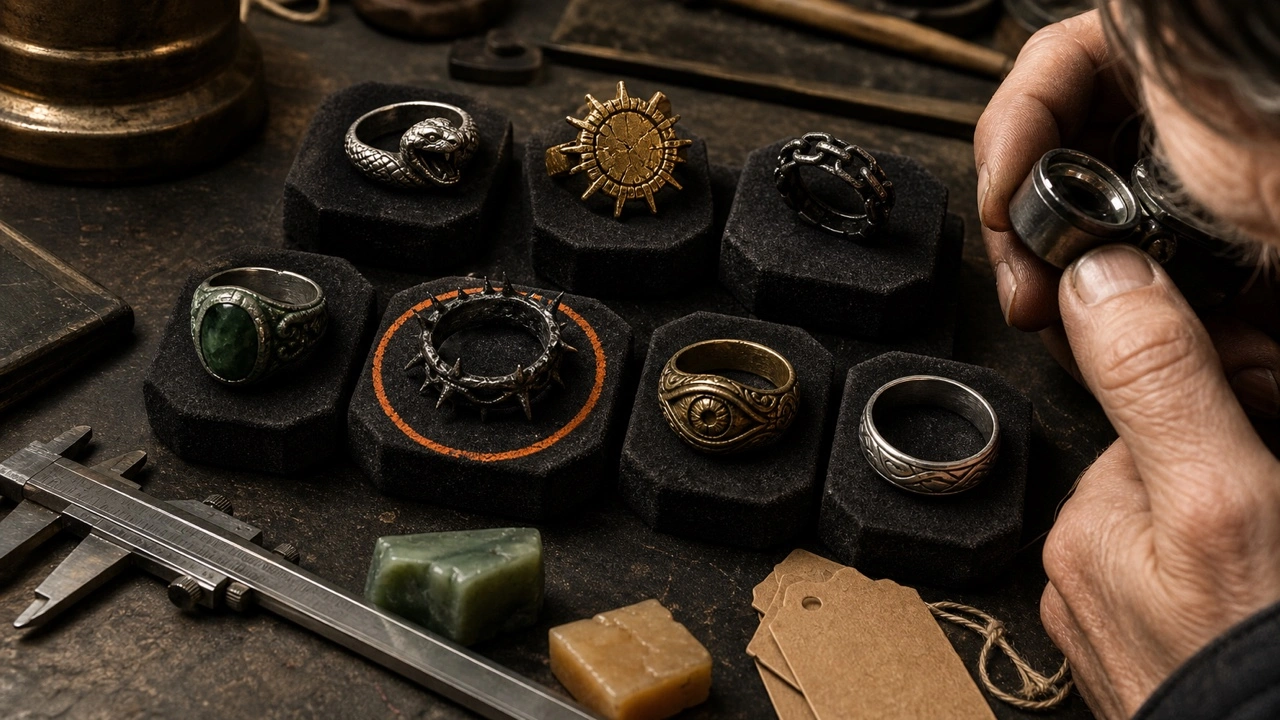
Four ring slots can quietly decide whether a Dark Souls 3 build reaches its roll weight, survives a combo, or has enough stamina for one more attack. The strongest rings solve those repeated problems without asking for a rare trigger. Specialist rings still matter, but they should earn their slot through the weapon or spell plan.
Which Dark Souls 3 Rings Belong in S Tier?
Ring of Favor +3, Chloranthy Ring +3, and Prisoner’s Chain are the strongest general PvE choices. They improve resources used in nearly every encounter. Havel’s Ring +3 moves into S tier when it makes a heavy weapon and armor combination possible without a fat roll.
The ranking is for PvE and includes The Ringed City +3 versions. A New Game route without DLC access should move late upgrades down and value earlier base versions more heavily.
How were these rankings decided?
The list measures Dark Souls 3 rings for PvE players choosing four reliable ring slots for a full playthrough or New Game Plus. Its main rule is broad PvE value with The Ringed City +3 versions included and dedicated spell or critical-hit rings treated as specialists. Each entry is checked against the four topic-specific standards below.
Always-on value
Health, stamina, and equip load that work in every room rank above rare conditional triggers.
Build impact
A ring should unlock a meaningful equipment threshold, spell plan, defense target, or damage loop.
Tradeoff
Large benefits are reduced when the ring adds damage taken or consumes a slot for a minor gain.
Availability
Late DLC access matters when comparing a New Game ring with an option available through most of the story.
Why does each choice belong in its tier?
Why is S tier placed here?
Ring of Favor improves three universal resources, Chloranthy speeds stamina recovery, and Prisoner’s Chain grants fifteen useful virtual levels. The Chain’s defense penalty is real but often outweighed before very high levels.
Entries: Ring of Favor +3, Chloranthy Ring +3, Prisoner’s Chain.
Why is A tier placed here?
These rings solve direct equipment and survival problems. Havel’s opens heavy armor or weapon combinations, while Steel Protection and Life Ring provide dependable PvE durability.
Entries: Havel’s Ring +3, Ring of Steel Protection +3, Life Ring +3.
Why is B tier placed here?
B tier contains strong build pieces. Critical attacks, thrust counters, sorcery, and pyromancy gain clear value, but characters outside those plans should use another slot.
Entries: Hornet Ring, Leo Ring, Young Dragon Ring, Great Swamp Ring.
Why is C tier placed here?
These rings are valuable swaps for souls, healing, or quiet movement. Their job is important, but keeping them equipped through every boss leaves stronger combat value unused.
Entries: Covetous Silver Serpent Ring +3, Estus Ring, Slumbering Dragoncrest Ring.
Why is D tier placed here?
Calamity deliberately increases damage taken, Skull Ring is a challenge or co-op aggro tool, and Untrue Dark changes appearance. They serve special goals but not a normal PvE loadout.
Entries: Calamity Ring, Skull Ring, Untrue Dark Ring.
When should Prisoner’s Chain come off?
Prisoner’s Chain adds five levels each of Vigor, Endurance, and Vitality while lowering absorption. During a level-limited or mid-game build, fifteen virtual levels can reach a health, stamina, equip-load, or roll threshold that is worth the penalty. The ring becomes less impressive after those stats pass the build’s useful goals.
Remove it in a build planner and inspect what changes. If health, stamina, and equipment stay almost the same after replacing the virtual levels with real points, a defense or damage ring may be better. The decision should use breakpoints, not a rule that the Chain is always mandatory or always dangerous.
Which rings should stay in the inventory as swaps?
Covetous Silver Serpent belongs on the character when collecting souls, not necessarily during the hard part of the fight. Estus Ring can make each heal larger when flask efficiency is the problem. Slumbering Dragoncrest helps with quiet movement, and resistance rings can answer a known damage type.
Spell and weapon specialists should also swap with purpose. Hornet Ring rises for frequent critical attacks, Leo Ring rewards thrust counter damage, and school-boosting rings are central to serious casters. Keeping these options ready is stronger than treating four equipped slots as permanent.
Which Dark Souls 3 ring comparisons use the wrong rules?
- Comparing +0 and +3 rings as if their bonuses were identical.
- Applying PvP defense values to a PvE recommendation.
- Treating a farming or appearance ring as a permanent combat slot.
- Keeping Prisoner’s Chain at very high levels without checking whether the virtual stats still reach useful breakpoints.
Why does this ring list need a PvE label?
Dark Souls 3 is a completed game, so the main variables are edition, DLC access, character level, and PvE or PvP scope. A precise build should record those assumptions next to the board.
Turn this Dark Souls 3 rings ranking into a personal board for PvE players choosing four reliable ring slots for a full playthrough or New Game Plus with the free RespawnGuide tier list maker. If letter grades hide an important difference, choose descriptive tier labels that state this topic’s scoring rule clearly.
What are the most common questions?
Is Prisoner’s Chain still worth using?
It is excellent through much of the game because five Vigor, Endurance, and Vitality levels solve several needs at once. At high levels, test whether those points still reach useful breakpoints.
What are the best four PvE rings?
Ring of Favor +3 and Chloranthy +3 are safe foundations. The last two slots should solve equip load, defense, health, casting, or the weapon’s main damage pattern.
Does Ring of Steel Protection +3 work the same in PvP?
No. Its player-versus-player effect is reduced, so this high placement is for PvE survival.
Which four rings should a PvE build start with?
Begin with Ring of Favor +3 and Chloranthy +3. Use Prisoner’s Chain while its virtual stats reach real breakpoints. Let the final slot solve the build’s main need, such as Havel’s for weight, Steel Protection for physical survival, or a school ring for spell damage. Swap farming and utility rings only when their job is active.