Which Foes Lead the Batman Villains Tier List?
Rank Batman villains by story range, personal stakes, thematic fit, adaptability, and the quality of their strongest comic arcs.
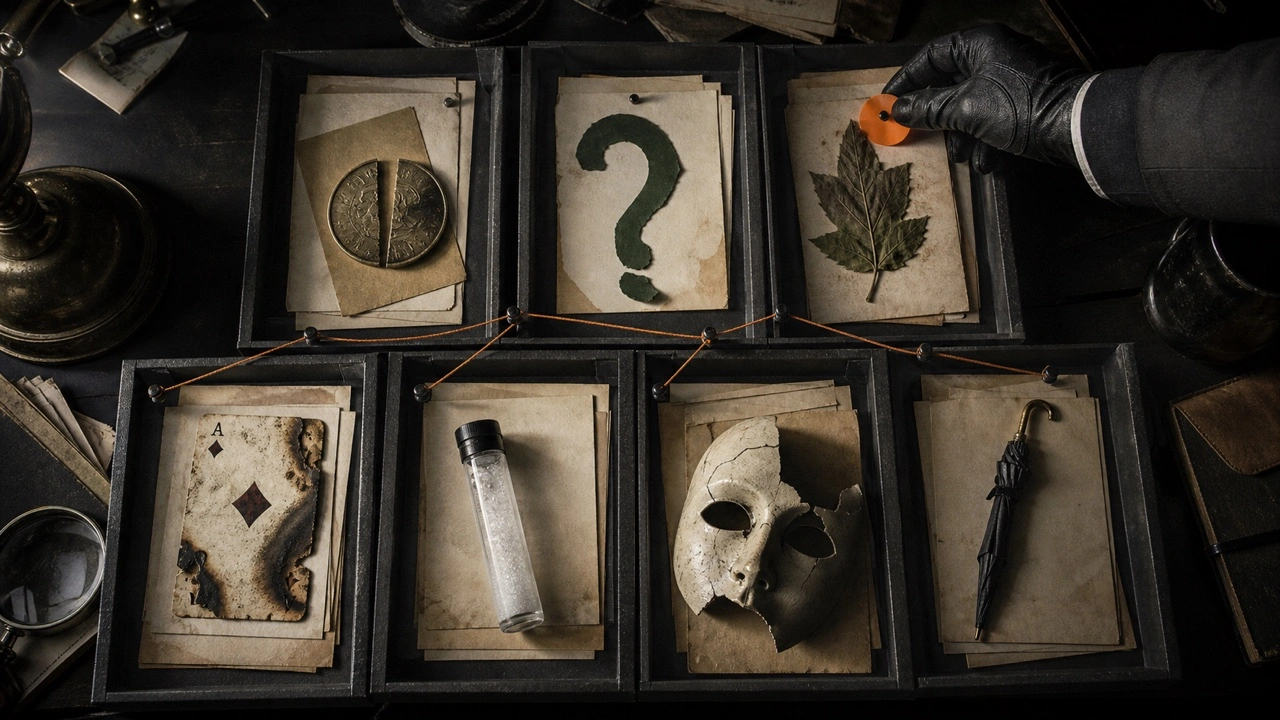
Batman’s rogues are not useful for the same reason. Joker creates a moral crisis, Riddler creates a detective problem, Scarecrow turns fear into the setting, and Penguin exposes Gotham’s organized crime. A ranking that asks only who hits hardest leaves out why the gallery has supported so many kinds of story.
Which Batman Villains Belong in S Tier?
Joker, Two-Face, and Ra’s al Ghul form the S tier. Joker tests Batman’s refusal to kill, Two-Face connects justice with Bruce’s personal failure and hope, and Ra’s shares the desire to save society while rejecting Batman’s methods. Each can carry a major arc without needing the same plot twice.
This board scores recurring comic villains by story range, thematic pressure, personal stakes, and the strength of their best interpretations. Adaptations can be ranked later because one film or game often changes a character’s history and goals.
How were these rankings decided?
The list measures Batman villains for readers comparing the rogues gallery by storytelling value, with physical power treated as only one tool. Its main rule is long-term story value across major comic interpretations, with power, fear, tragedy, and detective potential treated as different strengths. Each entry is checked against the four topic-specific standards below.
Thematic pressure
The villain should challenge Batman’s rules, identity, mission, or view of Gotham.
Story range
A strong rogue can support detective, crime, horror, action, and personal drama without losing identity.
Personal stakes
Connections to Bruce Wayne, allies, or Gotham can make a conflict matter beyond stopping a crime.
Adaptability
The core idea should survive different writers and eras while still allowing a fresh interpretation.
Why does each choice belong in its tier?
Why is S tier placed here?
Joker tests Batman’s moral line, Two-Face turns justice and personal loss into one conflict, and Ra’s offers a global rival who shares the goal of saving society but rejects Batman’s methods.
Entries: Joker, Two-Face, Ra’s al Ghul.
Why is A tier placed here?
These villains lead distinct kinds of story. Bane combines strategy and force, Riddler supports detective plots, Scarecrow explores fear, and Mr. Freeze can carry tragedy without losing danger.
Entries: Bane, Riddler, Scarecrow, Mr. Freeze.
Why is B tier placed here?
B tier offers strong Gotham systems and ideas. Crime, environmental extremism, hidden history, and psychological obsession can all create excellent arcs, although quality varies more by interpretation.
Entries: Penguin, Poison Ivy, Court of Owls, Hugo Strange.
Why is C tier placed here?
These rogues are valuable for horror, identity, and unusual cases. They tend to need a focused premise and can become one-note when a story relies only on their visual gimmick.
Entries: Clayface, Mad Hatter, Killer Croc, Man-Bat.
Why is D tier placed here?
Minor rogues can be memorable in the right limited story or comic tone, but they do not offer the same dependable range across a long Batman run.
Entries: Calendar Man, Kite Man, Ten-Eyed Man.
Which villains create the best detective stories?
Riddler is the clearest detective-story engine when his clues reveal character or force Batman to reason under pressure. Hugo Strange works well when the mystery concerns identity, psychology, or an institution with hidden power. The Court of Owls turns Gotham’s own history into evidence Batman failed to see.
These villains are weakened when the mystery exists only to delay an action scene. A strong clue has a fair answer, changes what Batman understands, and connects to the villain’s purpose. That gives the reader a case and avoids a pile of empty puzzles.
Which villains work best through sympathy?
Mr. Freeze is strongest when his grief explains the obsession without excusing the people he harms. Two-Face keeps a trace of Harvey Dent alive, which gives Batman a reason to seek recovery even after repeated crimes. Clayface can explore identity, performance, and the loss of a stable body.
Sympathy should create tension, not remove responsibility. If every action becomes justified, the villain stops challenging Batman. If the tragedy is ignored, the character becomes a visual gimmick. The best stories hold both truths at the same time.
Which Batman villain ranking rules miss the point?
- Ranking only physical power when the board is about story quality.
- Combining unrelated film, game, and comic versions into one unsupported placement.
- Treating one weak adaptation as the full value of a long-running character.
- Ignoring detective and emotional pressure because a villain cannot win a direct fight.
What kind of new story can move a rogue upward?
A major new comic arc can add range or repair a character who has been used narrowly. Note the continuity and the stories supporting a move without treating every adaptation as the same version.
Turn this Batman villains ranking into a personal board for readers comparing the rogues gallery by storytelling value, with physical power treated as only one tool with the free RespawnGuide tier list maker. If letter grades hide an important difference, choose descriptive tier labels that state this topic’s scoring rule clearly.
What are the most common questions?
Who is Batman’s greatest villain?
Joker is the most famous moral opposite, but Two-Face has the strongest personal link to justice and Ra’s al Ghul offers the broadest ideological rival. The answer depends on the kind of Batman story being ranked.
Is Bane more than a physical villain?
Yes. His best stories make him a planner who studies Batman, attacks his support system, and uses strength only after creating an advantage.
Why is Mr. Freeze in A tier?
His strongest interpretation combines a clear visual threat with grief, obsession, and a goal that can create sympathy without removing responsibility for harm.
Who belongs at the center of Batman’s rogues gallery?
Joker remains the most flexible moral opposite, while Two-Face offers the deepest link to justice and personal loss. Ra’s al Ghul is the strongest ideological rival beyond Gotham. Build separate rows for detective, horror, crime, and physical threats if one broad tier list hides what a favorite villain does well.